
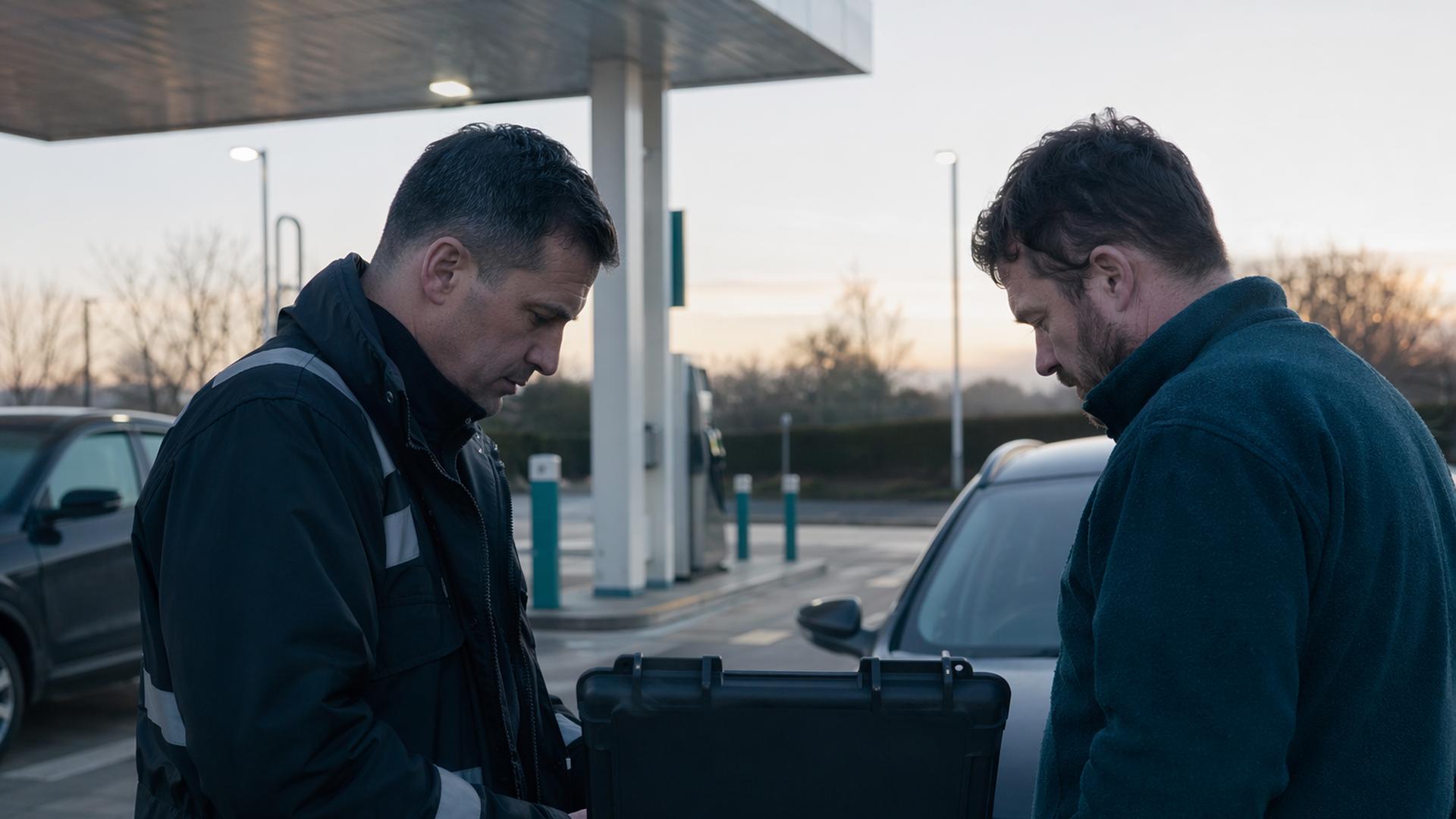
7 Things You Should Expect After Failing a Roadside Drug Test in the UK
Published by Drug Driving Solicitors, specialist defence lawyers for drug driving charges across England and Wales.
Failing a roadside drug test is a disorienting experience, and for most people it happens without any warning or preparation. In the minutes and hours that follow, a structured legal process begins to unfold, one that many drivers know nothing about until they are already caught up in it. Understanding what that process looks like, step by step, can make an enormous difference to how you handle each stage.
This article walks through seven things you can expect after a roadside drug test returns a positive result in the UK. Each stage carries its own considerations, and knowing what is coming gives you the best possible foundation for making informed decisions throughout. Whether this has just happened to you or you are trying to understand what lies ahead, the information below is designed to be clear, accurate, and genuinely useful.
1. You Are Arrested and Taken to a Custody Suite
If a roadside screening device returns a positive reading, the officer has grounds to arrest you and transport you to a police custody suite for further investigation. This is a formal arrest under Section 5A of the Road Traffic Act 1988, and it means you will be processed at the station, have your details recorded, and be placed in a cell while the next stages of the process are arranged. It is important to understand that an arrest is not a conviction, and the investigation is still at a very early stage.
On arrival at the custody suite, the custody sergeant will read you your rights, including your right to have someone informed of your arrest and your right to free independent legal advice. This right to legal advice is one of the most significant protections available to you, and you should always exercise it. A solicitor can attend the custody suite, advise you before any further procedures take place, and ensure the process is being followed correctly from the outset.
You do not have to answer questions during a police interview. While you can choose to give a prepared statement with your solicitor's assistance, saying nothing without legal guidance carries risks that are avoidable. The custody stage is not just administrative; it sets the evidentiary groundwork for everything that follows, and your conduct during this phase can matter.
The custody sergeant will also make a record of your condition, the time of your arrival, and any relevant observations. This documentation becomes part of the case file. If there are procedural irregularities at this stage, a specialist solicitor may later be able to use them in your defence, which is one more reason why seeking advice early is so valuable.
2. The Roadside Device Produces a Positive Reading
Before any arrest takes place, the process begins at the roadside with the use of a type-approved screening device. Officers are authorised to require a person driving, attempting to drive, or in charge of a vehicle on a road or public place to provide a sample of saliva or sweat if they have reasonable cause to suspect drug use. The device analyses the sample and returns either a negative result, allowing you to go on your way, or a positive reading, triggering everything that follows.
It is worth understanding that a roadside screening device does not measure the precise concentration of a substance in your system. It is a preliminary indicator only, designed to flag the possible presence of certain controlled drugs. A positive result at this stage means the process moves forward; it does not, in itself, determine guilt. The definitive evidence in a drug driving case comes from the subsequent blood analysis carried out in a laboratory.
The devices used by police forces in England and Wales must be type-approved for the specific substances they are testing for. Not every device is approved for every drug, and this distinction can have significant legal implications. If a device is used outside the scope of its approval, questions arise about the validity of the process that followed. This is one of several technical points that a specialist solicitor will examine when reviewing your case.
If the roadside test returns a positive reading, officers will typically proceed with the next step in the statutory process. The fact that you cooperated with the roadside test does not limit your ability to challenge the evidence later. Cooperation at the roadside is generally the sensible approach, but it does not close off any of your legal options going forward.
3. The Blood Sample Is Sent for Laboratory Analysis
Once a blood sample has been taken at the custody suite, it is divided into two parts. One part is retained for analysis by a laboratory nominated by the police force; the other is offered to you for independent analysis if you choose to have one carried out. Accepting your portion of the sample is strongly advisable, as it preserves your ability to obtain a second opinion on the results.
The nominated laboratory will analyse the sample to determine whether any controlled drugs are present and, if so, whether their concentration exceeds the statutory limit prescribed under the Drug Driving (Specified Limits) (England and Wales) Regulations 2014. This is the stage at which precise, quantified evidence is produced. The results of this analysis will form the scientific core of any prosecution.
Laboratory turnaround times vary considerably between forces and their nominated laboratories. It is not uncommon for results to take several months to be returned, and this waiting period can feel particularly uncertain for drivers who are simply trying to understand what is going to happen. In practice, the total time from roadside test to charging decision is typically somewhere between two and six months, although cases outside that range do occur.
During this period, you have not been charged with anything. Your solicitor can use this time productively, reviewing the custody records, checking whether the statutory procedures were followed correctly, and advising you on the strength of any potential defence. Waiting for laboratory results is not dead time, and instructing a specialist solicitor early means that when the results arrive, you are already prepared.
4. The Officer Administers a Statutory Warning
Before requiring you to provide a roadside sample, the officer must administer a statutory warning. This is a formal notification that warns you of the consequences of failing to provide a specimen without a reasonable excuse. The requirement to deliver this warning correctly is set out in law, and it is not a formality that can be glossed over or delivered imprecisely.
The wording of the statutory warning is prescribed, and the officer must give it before the sample is taken. If the warning is not administered at all, or if it is given in materially incorrect terms, this can affect the lawfulness of the sample requirement. In some cases, it forms a ground on which the subsequent evidence can be challenged. This is one of the procedural details that a trained defence solicitor will check as part of a thorough case review.
The statutory warning stage is easy to overlook in the stress of a roadside encounter, and many drivers pay little attention to the precise words used. It is therefore worth making a note of what was said as soon as possible after the event, including the approximate wording and the order in which things happened. Details that seem minor at the roadside can become legally significant later in the process.
Police officers are generally well-trained in drug driving procedures, and the majority of encounters are conducted correctly. However, errors do occur, and it is not the defendant's responsibility to identify them. That task belongs to a specialist solicitor who knows exactly what the legislation requires and how the courts have interpreted it.
5. Your Case Is Heard at the Magistrates' Court
Drug driving under Section 5A of the Road Traffic Act 1988 is a summary offence, meaning it is dealt with in the Magistrates' Court rather than the Crown Court. If you are charged and choose to contest the case, or if you plead guilty, the hearing will take place before a bench of lay magistrates or a district judge. The Magistrates' Court handles the vast majority of road traffic cases in England and Wales, and drug driving is no exception.
On conviction, the mandatory minimum disqualification for a first drug driving offence is 12 months. The court also has the power to impose a fine, a community order, or in more serious cases a custodial sentence, depending on the specific circumstances. If you hold a professional driving licence or work in a role that requires you to drive, the implications of a conviction extend well beyond the legal penalties themselves.
Preparation for a Magistrates' Court hearing requires a clear understanding of the prosecution evidence, a considered approach to plea, and if contesting the charge, a coherent defence case supported by the relevant facts and law. Instructing a specialist solicitor well before the hearing date gives them the time to review the evidence bundle, identify any weaknesses in the prosecution case, and advise you on the most realistic and appropriate strategy.
The court process itself, while sometimes daunting for first-time defendants, is generally straightforward in procedural terms. A competent solicitor will explain what to expect on the day, how the hearing will run, and what the realistic range of outcomes looks like given the specific evidence in your case. Going into a Magistrates' Court hearing informed and legally represented is always preferable to attending unprepared.
6. A Healthcare Professional Takes a Blood Sample
At the custody suite, a healthcare professional, typically a forensic physician or a trained nurse, will be asked to take a blood sample from you. Before doing so, they will ask whether you have any medical reason that would prevent the sample from being taken. You will be offered the opportunity to consult a solicitor before providing the sample, and you should take that opportunity if you have not already done so.
Providing a blood sample is a legal requirement in this process. Refusing to do so without a reasonable excuse is itself a criminal offence under Section 7A of the Road Traffic Act 1988, and it carries the same mandatory disqualification as a drug driving conviction. Reasonable excuses are defined very narrowly by the courts, and a genuine fear of needles, for example, is unlikely to be accepted without compelling medical evidence.
The procedure for taking the sample is set out in law, and the healthcare professional must follow it correctly. Two portions of the sample must be prepared: one for the prosecution laboratory and one offered to you. If the offer to provide you with your portion is not made, or if the sample is not taken or stored in the prescribed manner, these procedural points may be relevant to the validity of the evidence. Again, these are matters a specialist solicitor will scrutinise.
The blood test stage is the most significant evidential step in a drug driving investigation. Whatever happened at the roadside, it is the laboratory result from the blood sample that will either confirm or fail to confirm the presence of a controlled drug above the legal limit. For that reason, ensuring the blood sample procedure is completed lawfully and correctly is a matter of considerable legal importance.
7. You Are Charged or Told No Further Action Will Be Taken
Once the laboratory results are received, the officer in charge of the case will review them alongside the rest of the evidence and make a charging decision. If the results confirm that a controlled drug was present in your blood at or above the statutory limit, and there are no procedural issues sufficient to undermine the case, you will typically be charged with a drug driving offence under Section 5A of the Road Traffic Act 1988. You will then be required to appear at a Magistrates' Court.
In some cases, no further action is taken. This can happen if the laboratory results come back negative, if the blood sample has been compromised, if a procedural error is identified that cannot be remedied, or if the prosecution determines that it is not in the public interest to proceed. Receiving a no-further-action outcome does not mean the investigation was wrongly initiated; it simply means the evidence does not support a charge at the required standard.
If you are charged, you will be given a charge sheet and a date to appear at court. At that point, your solicitor will be sent or can obtain a copy of the prosecution evidence bundle, which will include the custody records, the officer's notes, and the laboratory report. This is when the detailed legal work of building your response to the charge begins in earnest.
Being charged is not the end of the matter, and a charge is not a conviction. Many drug driving cases are successfully defended, and even where the evidence is strong, there may be mitigating factors that affect the outcome. The period between being charged and appearing in court is critical, and it is the time during which legal advice and preparation have the greatest practical impact on what happens next.
What Comes Next: Taking Control of Your Position
Facing a drug driving investigation can feel overwhelming, but the process that follows a failed roadside test is structured, predictable, and navigable with the right support. Understanding each stage, from the initial positive reading through to a potential court hearing, means you are never taken entirely by surprise, and that matters when decisions have to be made quickly.
The single most effective step anyone in this situation can take is to seek specialist legal advice as early as possible. The earlier a solicitor is involved, the more opportunity there is to identify procedural errors, preserve evidence, and develop a considered strategy rather than reacting under pressure at the last moment.
Frequently Asked Questions
What are the most common reasons drug driving charges are dropped?
The most frequent grounds include failure to administer the statutory warning correctly before requiring the roadside swab, use of a device that was not type-approved for the drug in question, problems with the blood sample chain of custody, failure to offer the defendant their portion of the blood sample, errors in the laboratory analysis, and unlawful stop and search. A specialist solicitor will review all of these as a matter of course, not just the headline blood test result.
What if the drug found in my blood was prescribed by my doctor?
A statutory medical defence exists under Section 5A(3) of the Road Traffic Act 1988 for drivers who can show that the drug was prescribed or supplied to them, that they took it in accordance with medical advice, and that their driving was not impaired. The defence is available but is narrower than many people assume; it must be properly evidenced and presented. Drug Driving Solicitors has specific expertise in prescription medication drug driving cases.
Will a drug driving conviction affect my employment?
The impact on employment depends significantly on your role and industry. For professional drivers, anyone holding a commercial licence, or those working in transport, healthcare, education, or other regulated sectors, a conviction and the mandatory disqualification can have serious consequences, including loss of employment. Even outside those sectors, many employers conduct criminal record checks, and a conviction will appear on a standard or enhanced DBS check for a number of years. Discussing the employment implications with a specialist solicitor before entering a plea is strongly advisable.
Can I drive while I am waiting for the laboratory results?
Unless you have been charged and bail conditions restrict your driving, or you are already disqualified for another reason, a pending investigation does not automatically prevent you from driving. However, it is worth checking your insurance policy, as some policies require disclosure of pending criminal investigations. If in doubt, ask your solicitor.
How long does it take from failing a roadside drug test to being charged?
The process typically takes between two and six months, though it can be longer. The main delay is the laboratory analysis of the blood sample, which depends on the force's nominated laboratory and its current workload. Once the laboratory report is received, the charging decision is usually made relatively quickly. If you have not heard anything within six months of the incident, seek specialist legal advice on your position.
What happens if I refuse to give a blood sample at the custody suite?
Refusing to provide a specimen without a reasonable excuse is itself a criminal offence under Section 7A of the Road Traffic Act 1988, carrying the same penalties as a drug driving conviction, including the mandatory 12-month disqualification. Reasonable excuses are very narrowly defined, and any medical reason must be supported by evidence. Do not refuse without speaking to a solicitor first.
Drug Driving Solicitors is a specialist law firm dedicated to defending drug driving cases throughout England and Wales. If you have failed a roadside drug test and want a clear picture of where you stand, contact us for a free initial consultation or visit drugdrivingsolicitors.co.uk. Getting advice at the outset carries no cost and can prove decisive when it comes to the outcome of your case.